THE SITUATION
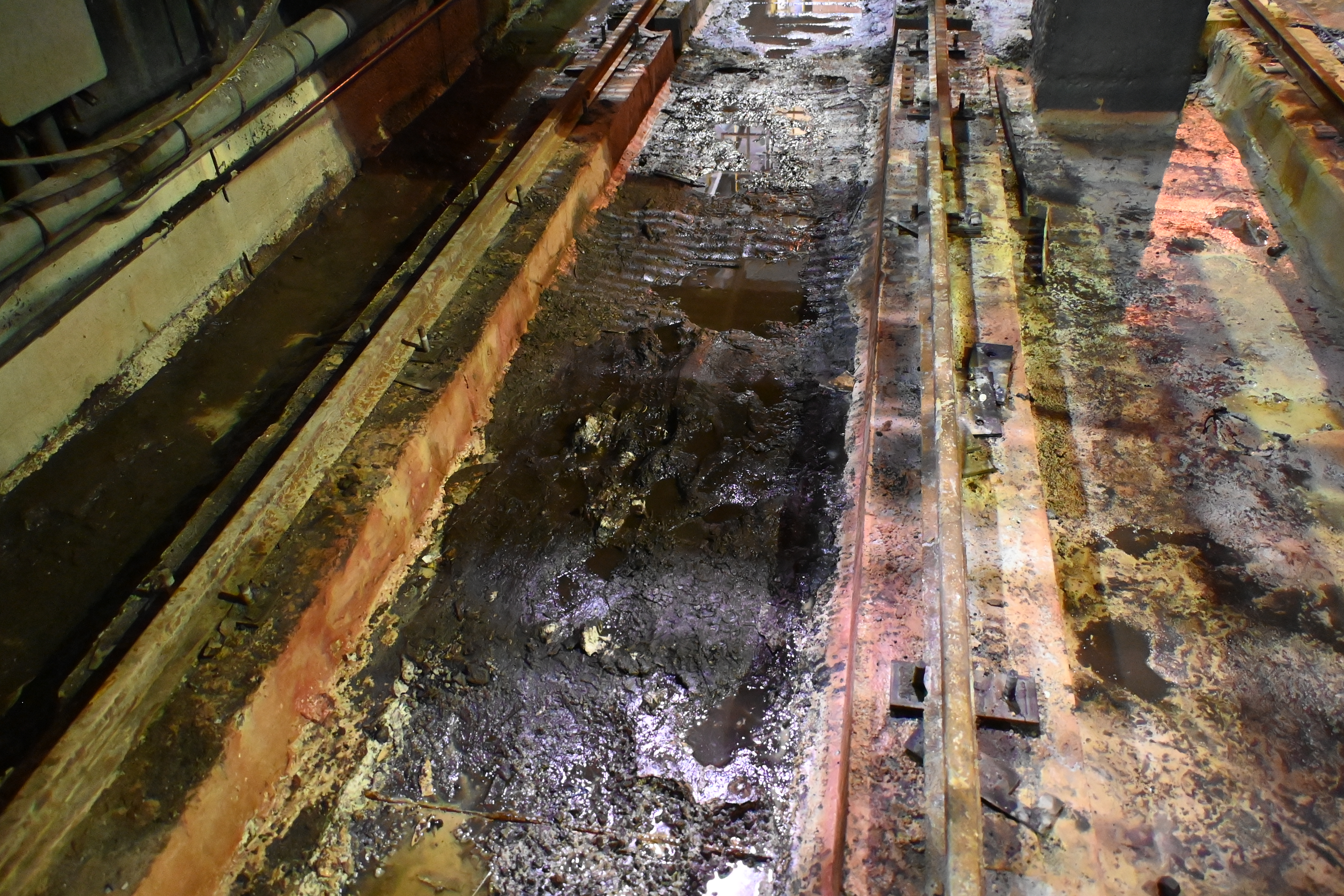
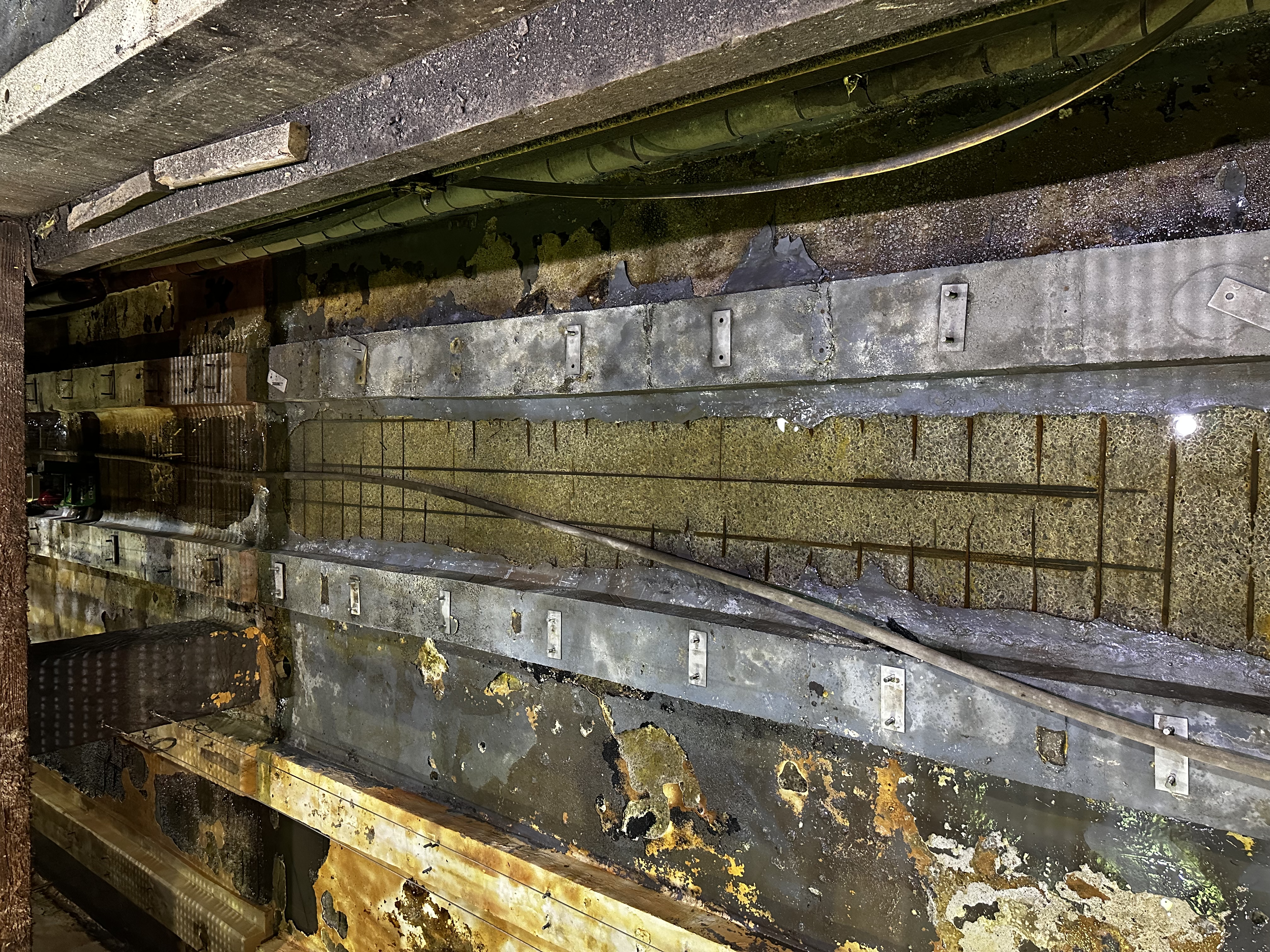
A metals processing facility operating in a continuous acid-exposure environment experienced severe degradation of its car well system — an uncoated industrial concrete area subject to daily chemical contact. Years of acid exposure had etched the concrete surface, exposed aggregate, compromised drainage, and dramatically increased the labor required for routine cleanup.
MIC was engaged to restore approximately 10,000 square feet of damaged substrate and install an immersion-grade protective coating system engineered for long-term chemical resistance and operational durability.
WHAT WAS FAILING
The unprotected concrete had no defense against the facility's acid environment. Degradation was compounding — each maintenance event addressed symptoms without resolving the underlying exposure.
- Continuous acid exposure attacking unprotected concrete substrate
- Surface degradation and exposed aggregate across large areas
- Drainage failures causing standing liquid and contamination retention
- Weekly washdown requiring 4–5 operators using fire hose pressure
- Increased slip, trip, and operational safety exposure throughout the area
- Acid migration reaching unprotected adjacent facility areas
THREE-PHASE RESTORATION APPROACH
MIC executed a multi-phase restoration and coating scope designed to rebuild the substrate from the ground up before installing a coating system rated for continuous chemical immersion.
SUBSTRATE RESTORATION
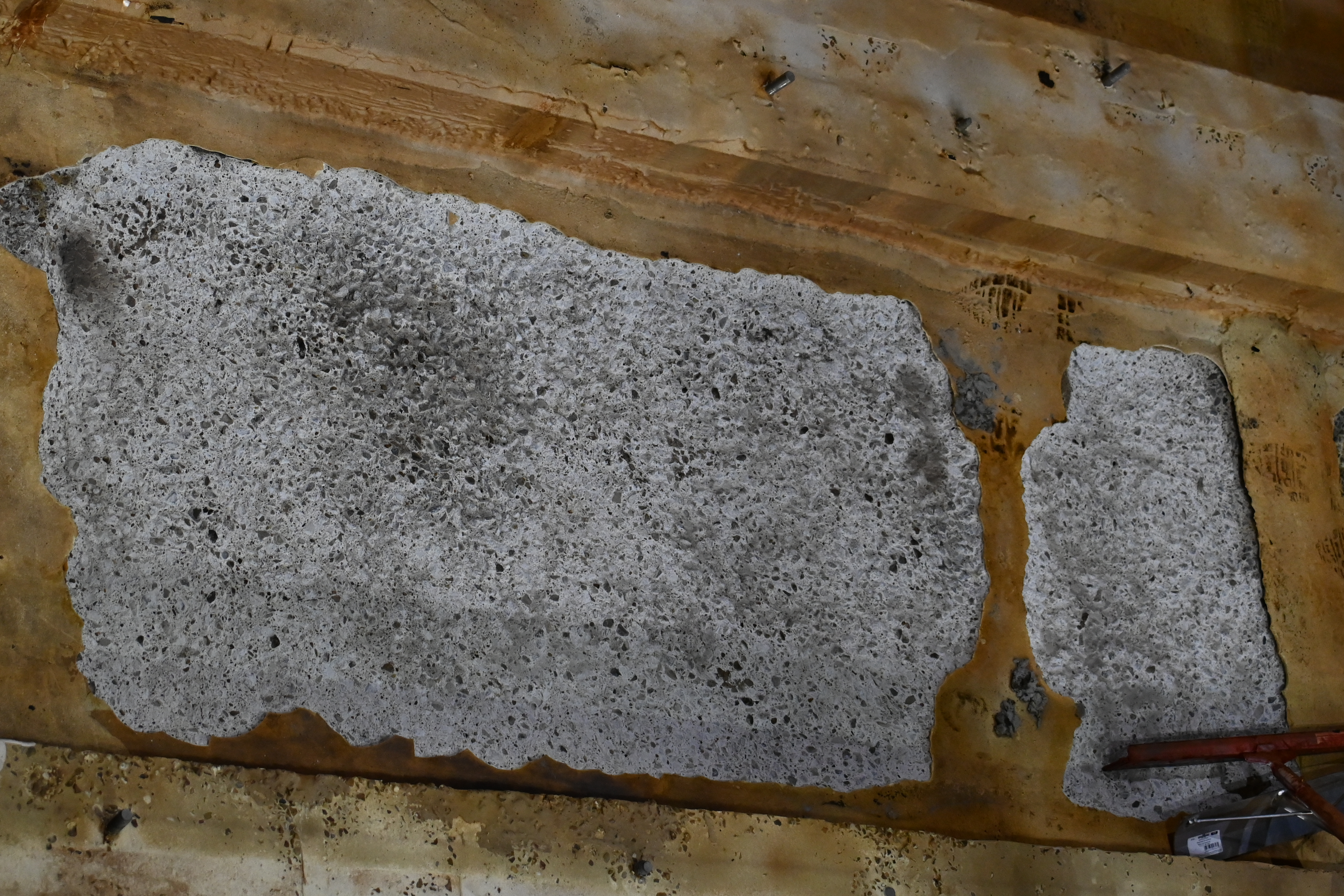
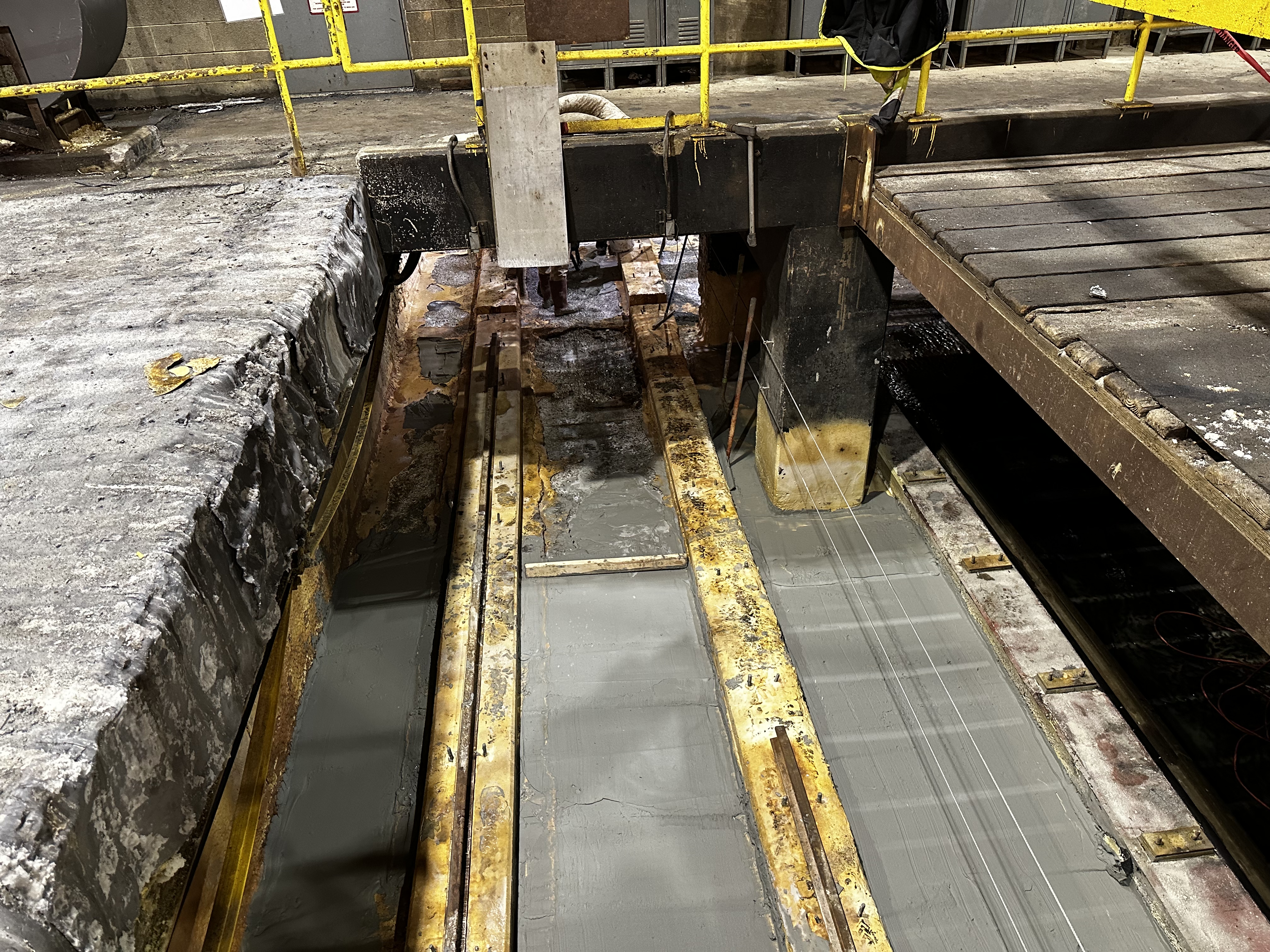
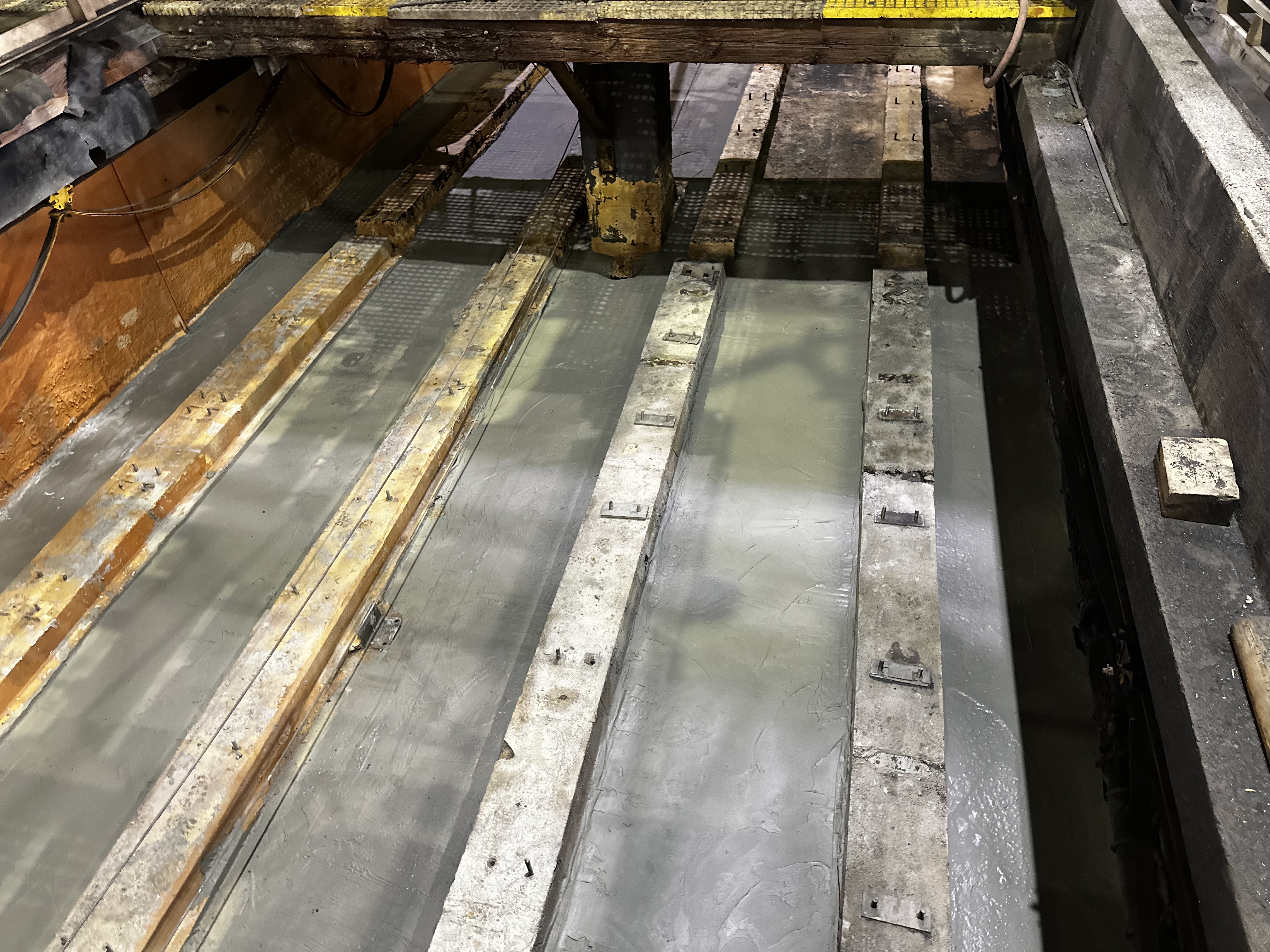
- Mechanical scarification and diamond grinding of deteriorated surface
- Removal of degraded concrete and embedded contamination
- Crack and spall repair throughout the 10,000 SF area
- Full-depth substrate reconstruction using latex-modified repair mortar
PRIMER APPLICATION
- Application of Carboline Sanitile 110 epoxy primer
- Surface consolidation and bonding layer preparation
IMMERSION-GRADE TOPCOAT
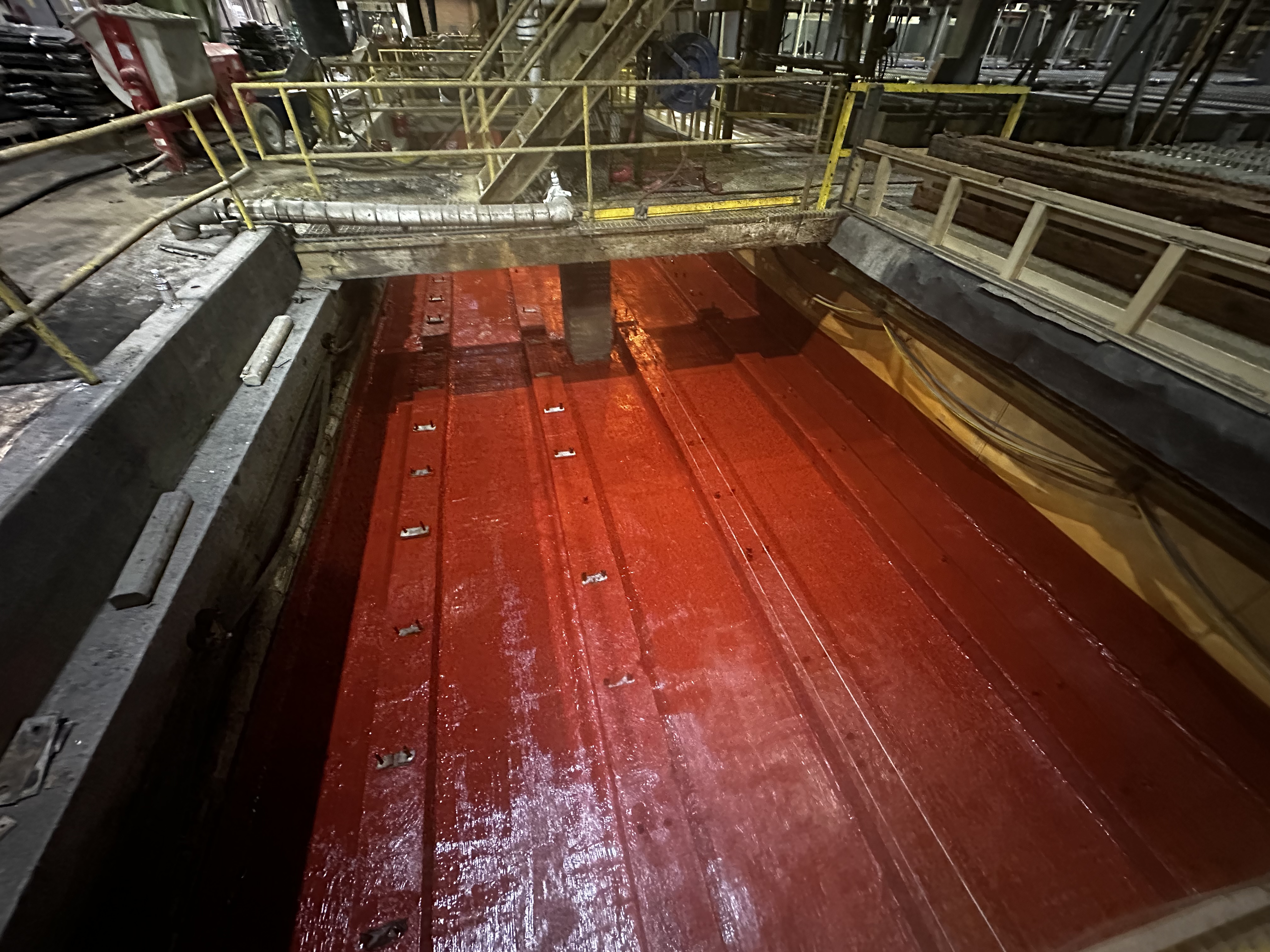
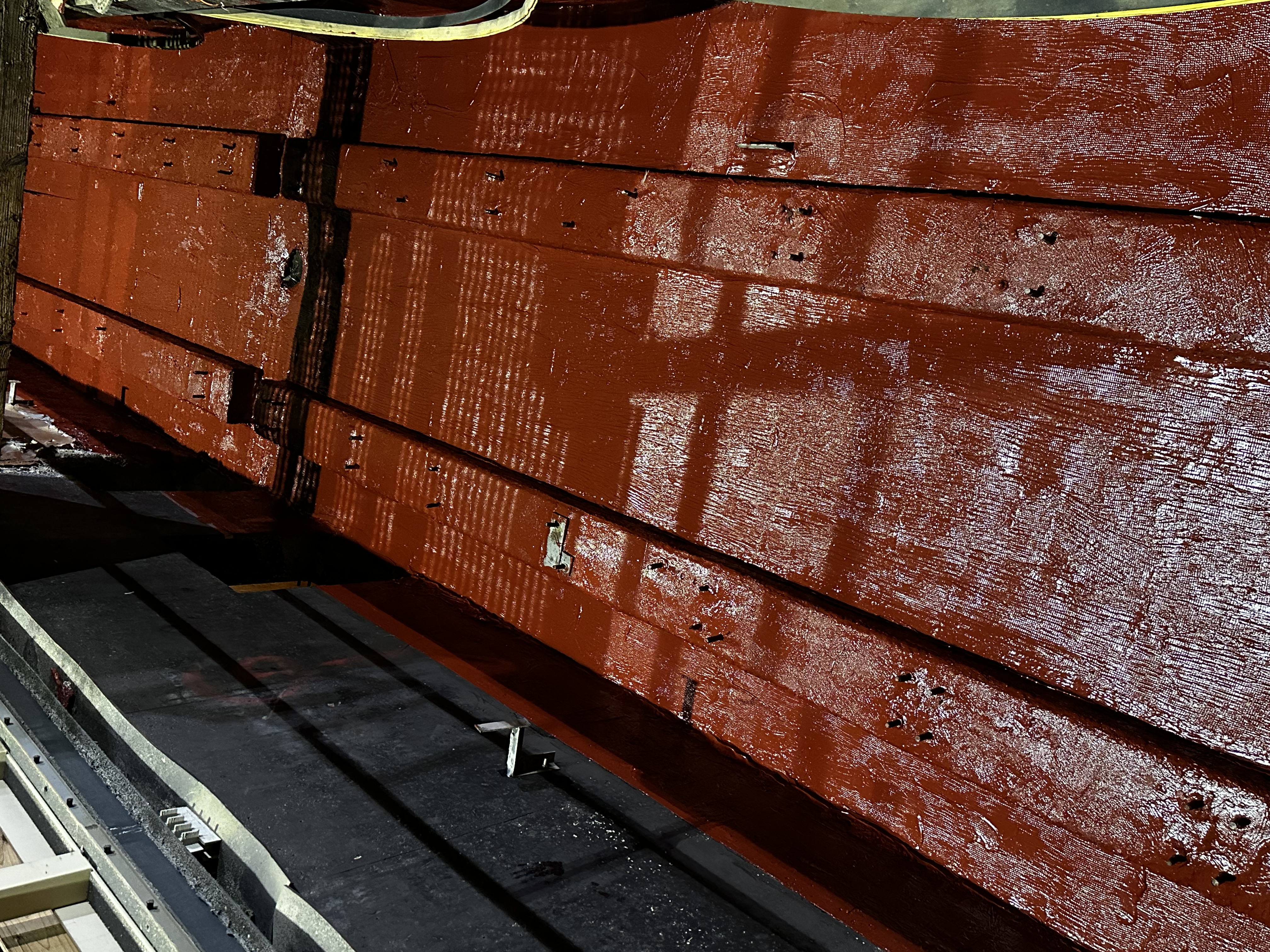
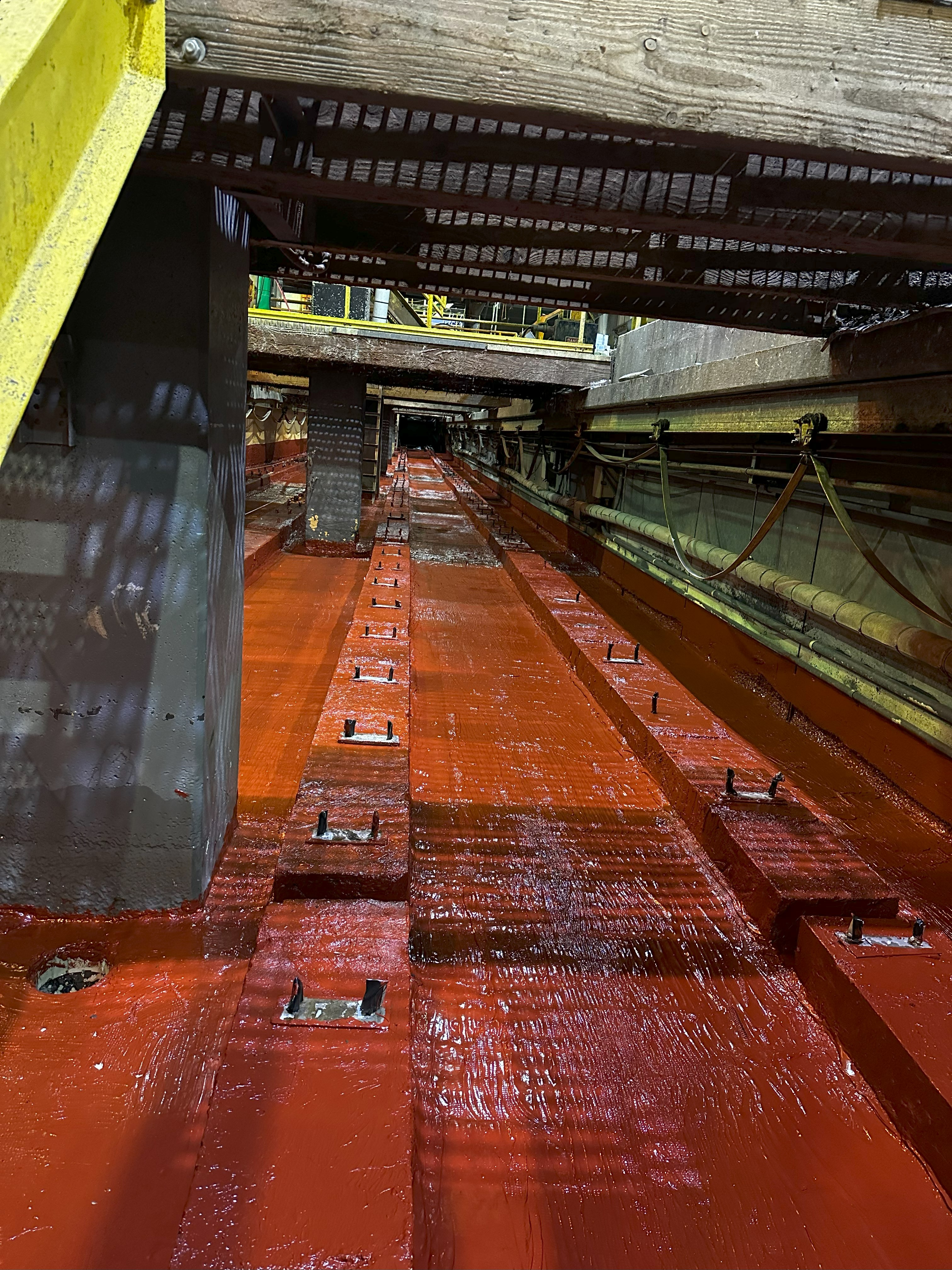
- Installation of Carboline Plasite 4500S fiberglass-reinforced epoxy coating
- Chemical-resistant immersion-grade protection system
- Reinforced surface for abrasion and impact resistance
RESULTS
The operational impact was immediate and measurable. Washdown operations that once required a near-full shift with multiple operators now complete in roughly two hours with a single person and a standard hose.
4–5 operators down to 1 for weekly washdown operations
Half-shift reduced to ~2 hours for routine cleanup
Standard hose sufficient — fire hose pressure no longer required
Improved drainage and reduced slip and contamination exposure
Restored substrate integrity with long-term chemical protection in place
THE BIGGER PICTURE
This project demonstrates how proper substrate restoration and immersion-grade coating systems can materially improve facility operations — not just appearance. The labor reduction alone represents a meaningful return across the life of the coating system.
This case is directly applicable to any facility dealing with acid or chemically aggressive concrete environments, secondary containment systems, car wells and rail transfer areas, or operations with recurring coating failures and high cleanup labor requirements.